
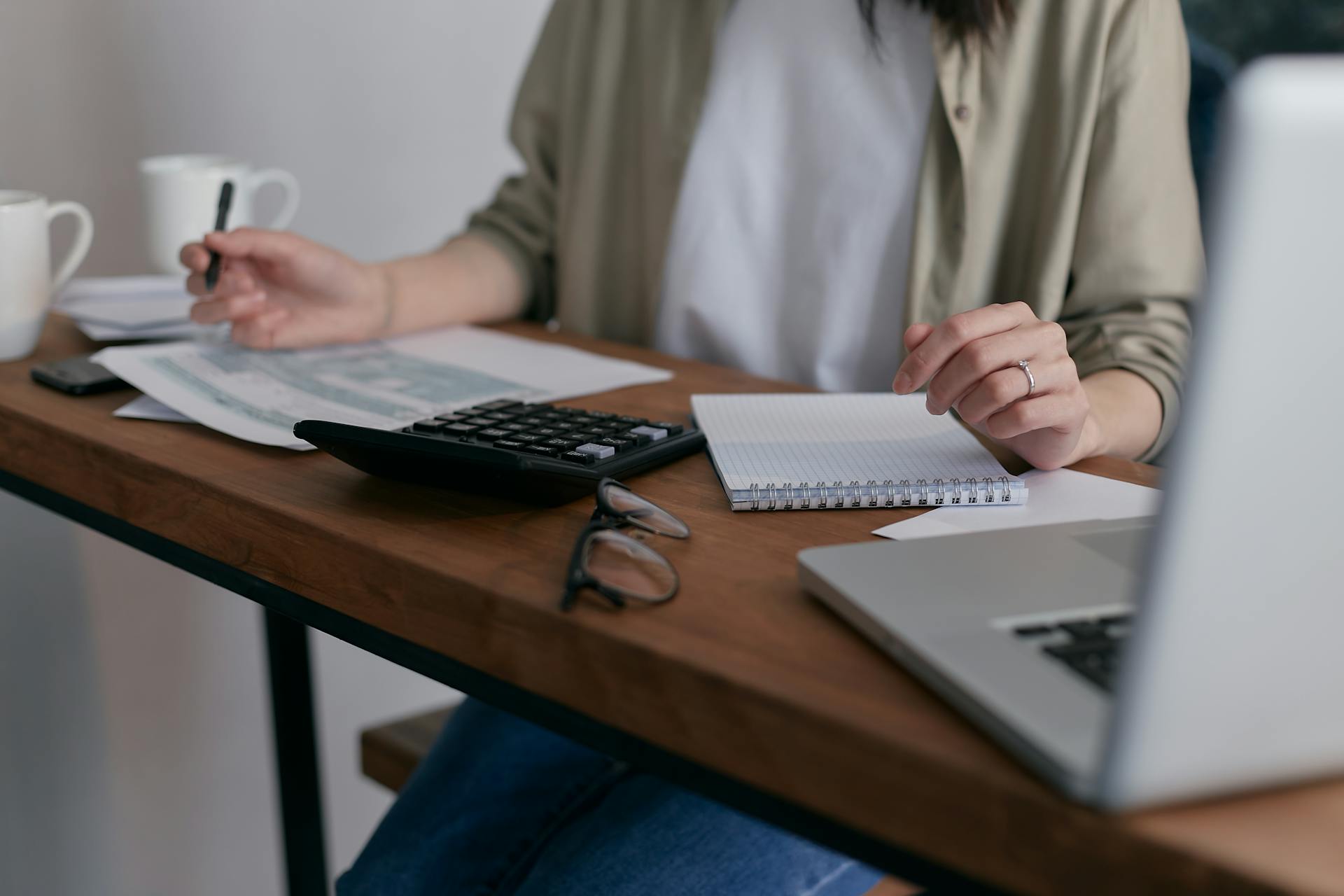
What makes herbal tea different from traditional tea?
Herbal tea is different because it doesn't have caffeine. It's made from fruits, flowers, and leaves. Each one brings its own taste and health perks.
What are common ingredients found in herbal tea?
You'll often find peppermint, chamomile, hibiscus, ginger, and lemongrass in herbal tea. These ingredients add a variety of tastes and health benefits.
What are the health benefits of drinking herbal tea?
Herbal teas can help you relax, boost your immune system, and aid digestion. They might even support your heart health. The benefits depend on the herbs used.
What type of equipment is necessary for brewing the perfect cup of herbal tea?
You'll need a good tea infuser, a kettle for the right water temperature, and a cup that keeps the aroma in. Using herbal tea blends and recipes can also enhance your experience.
What is the optimal water quality and temperature for brewing herbal tea?
Use fresh, filtered water and heat it to 195°F to 205°F. Avoid boiling the water too much. This ensures the best flavor and aroma of your herbal tea.
What are some popular types of herbal tea?
Peppermint, chamomile, and hibiscus teas are favorites. They offer many flavors and health benefits. Plus, they're caffeine-free, making them great for those who avoid caffeine.
How should I measure and portion my herbal tea?
For loose-leaf tea, use 1-2 teaspoons for 8 ounces of water. Tea bags should follow the manufacturer's instructions. Adjusting the strength to your liking is key.
What is the step-by-step process for brewing herbal tea?
First, heat the water to the right temperature. Then, steep the tea for the recommended time. You can also mix different teas or use recipes for unique flavors.
How long should I steep my herbal tea, and are there any special techniques I should use?
Steeping time varies by tea type, but usually ranges from 3 to 7 minutes. Trying different steeping methods can help you enjoy your tea more.
How can I create custom herbal tea blends?
Making your own blends is fun and creative. Match flavors that go well together and try seasonal blends. This way, you can make tea that suits your taste and needs.
How should I store my herbal tea to maintain freshness?
Keep your tea in a cool, dry place or in an airtight container. This helps keep the flavor and freshness. Check your tea regularly and discard any that's gone stale.
How can I troubleshoot common brewing problems with herbal tea?
If your tea tastes bitter or weak, try adjusting your brewing method. Experiment with different blends or recipes. This can help you get the perfect cup of herbal tea.
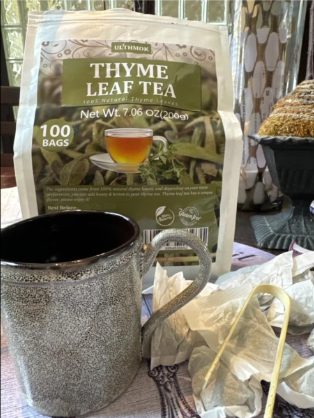
.jpeg?w=1440&h=961)
.jpeg?w=1440&h=924)
commentaires